Preparing for a new phase of UK-EU regulatory alignment

The UK Government is preparing to introduce legislation in May’s King’s Speech that could mark a significant shift in the country’s post-Brexit relationship with the European Union. The proposed bill would create a mechanism allowing ministers to bring around 76 EU rules back into UK law. While framed as a pragmatic step to unlock future sector-wide trade agreements, the announcement signals that, almost a decade on from the referendum, direct compliance with EU regulation is likely to become a key issue for UK organisations again.
A coordinated comms campaign that caused the Government to re-think the AI/copyright issue

The Government’s indication yesterday that they will not press ahead with plans for an opt-out copyright exception for AI training is the latest evidence of the power of a well-executed campaign approach to shift a policy debate.
Charting the waves – why horizon scanning is critical in the age of instability

When Chancellor Rachel Reeves stood at the despatch box to deliver her Spring Statement on Tuesday, she described a world “that in the last few days has become more uncertain”.
Navigating the UK’s evolving defence priorities

Defence spending has surged back to the top of the UK political agenda…
Reframing the Energy Trilemma: How Westminster’s Net Zero messaging is shifting
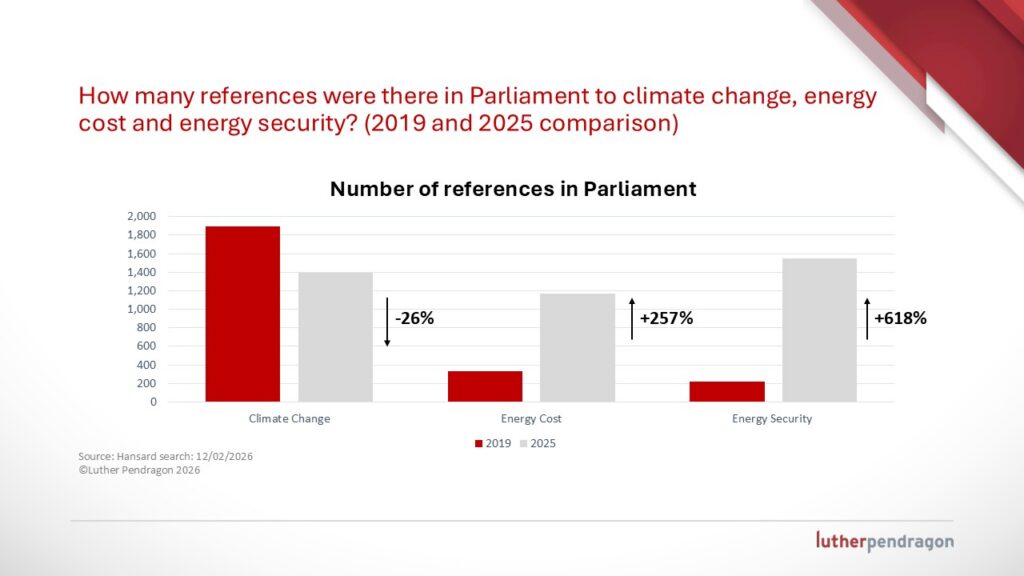
This week, the Government announced record levels of new solar, onshore wind and tidal projects…
2026 and the messaging test in Holyrood and the Senedd
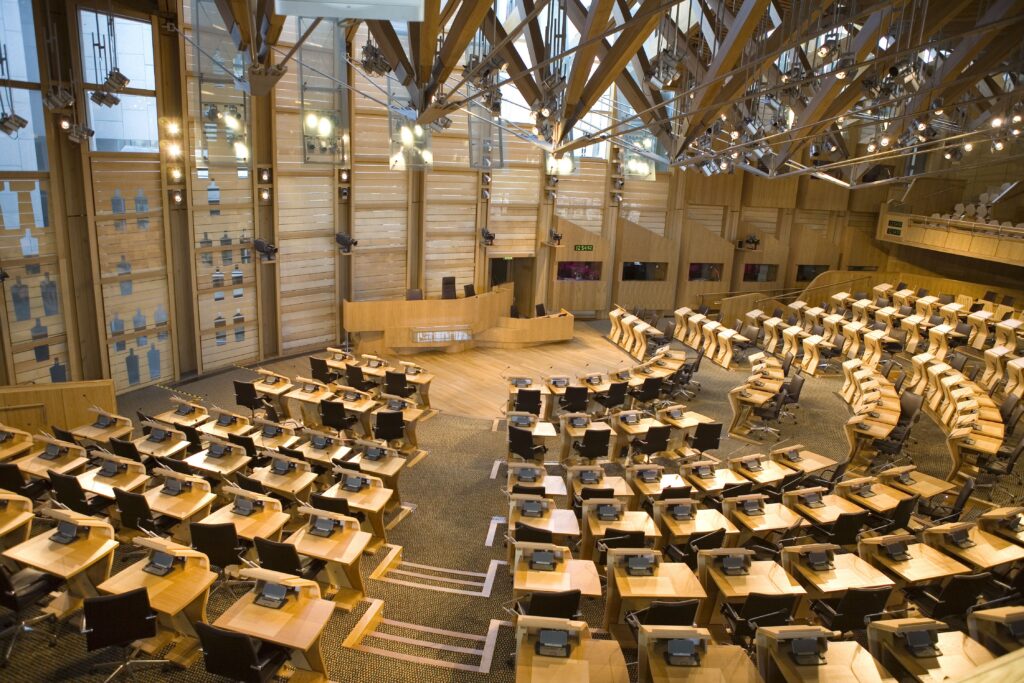
All three main UK party leaders visited Scotland this week, bringing May’s devolved elections into sharper focus…
Energy in Flux: staying credible in a shifting policy landscape

The UK energy sector is moving fast and not always in a straight line…
Social media: Navigating an era of uncertainty

Social media is under constant scrutiny, yet it remains a cornerstone of communications…
Streeting’s challenge: Making NHS reforms resonate

Touted leadership contender and Health Secretary, Wes Streeting, has faced notable media criticism this week…
Populism in the digital age: How the Greens and Reform are capturing the public’s attention

On Tuesday, the Green Party elected a new leader. Tomorrow, Reform UK will host its annual conference…